What Happens During a Dental Crowns Los Angeles CA Procedure?
If your dentist has recommended a crown, you are probably wondering what actually happens once you sit in the chair. Most patients have a rough idea that a crown is a "cap" placed over a damaged tooth, but the real process is more detailed than that. It involves diagnosis, planning, reshaping the tooth, impressions or digital scans, a temporary restoration in many cases, and then the final placement. When done well, a crown should not feel like a mystery project. It should feel like a measured, predictable repair.
For patients researching Dental Crowns Los Angeles CA, the procedure itself tends to be one of the biggest sticking points. People want to know whether it hurts, how long it takes, whether they will need multiple appointments, and what life feels like afterward. Those are sensible questions. Crowns are common, but they are not casual. A crown changes the shape of your natural tooth permanently, so the decision and the execution both matter.
The good news is that modern crown treatment is usually straightforward. The less comforting truth is that the details still matter a great deal. A crown that is planned properly can protect a cracked or weakened tooth for years. A crown that is rushed, poorly fitted, or placed on a tooth that needed a different treatment first can lead to sensitivity, bite problems, food trapping, or failure down the line.
Why a dentist recommends a crown in the first place
A crown is typically used when a tooth is too damaged for a simple filling to do the job safely. That damage can come from decay, a fracture, heavy wear, a very large old filling, or root canal treatment. In cosmetic cases, a crown may also be used to improve shape, color, or symmetry, though most conservative dentists try to preserve natural enamel whenever possible.
One pattern shows up often in practice. A patient comes in with a tooth that "just needs a filling," but once the old filling is removed, there is not much healthy tooth left holding things together. That is where a crown becomes less of an upsell and more of a structural decision. Molars take a tremendous amount of force, especially in patients who clench or grind at night. A large filling in a back tooth can function for a while, but it may also act like a wedge, increasing the risk that the remaining tooth walls will crack.
Root canal treated teeth are another common example. Once a tooth has had the nerve removed, it is no longer nourished in the same way and is usually more brittle over time. Not every root canal tooth requires a crown, but many posterior teeth do. A front tooth may sometimes be restored more conservatively depending on how much structure remains, but a premolar or molar often benefits from full coverage.
The evaluation appointment is where the real decision gets made
Before the procedure starts, the dentist has to answer a few basic questions. Is the tooth restorable? Is the nerve healthy or already compromised? Is there a crack extending below the gumline? Is the bite placing unusual stress on that area? Is the tooth primarily damaged by decay, by wear, or by trauma?
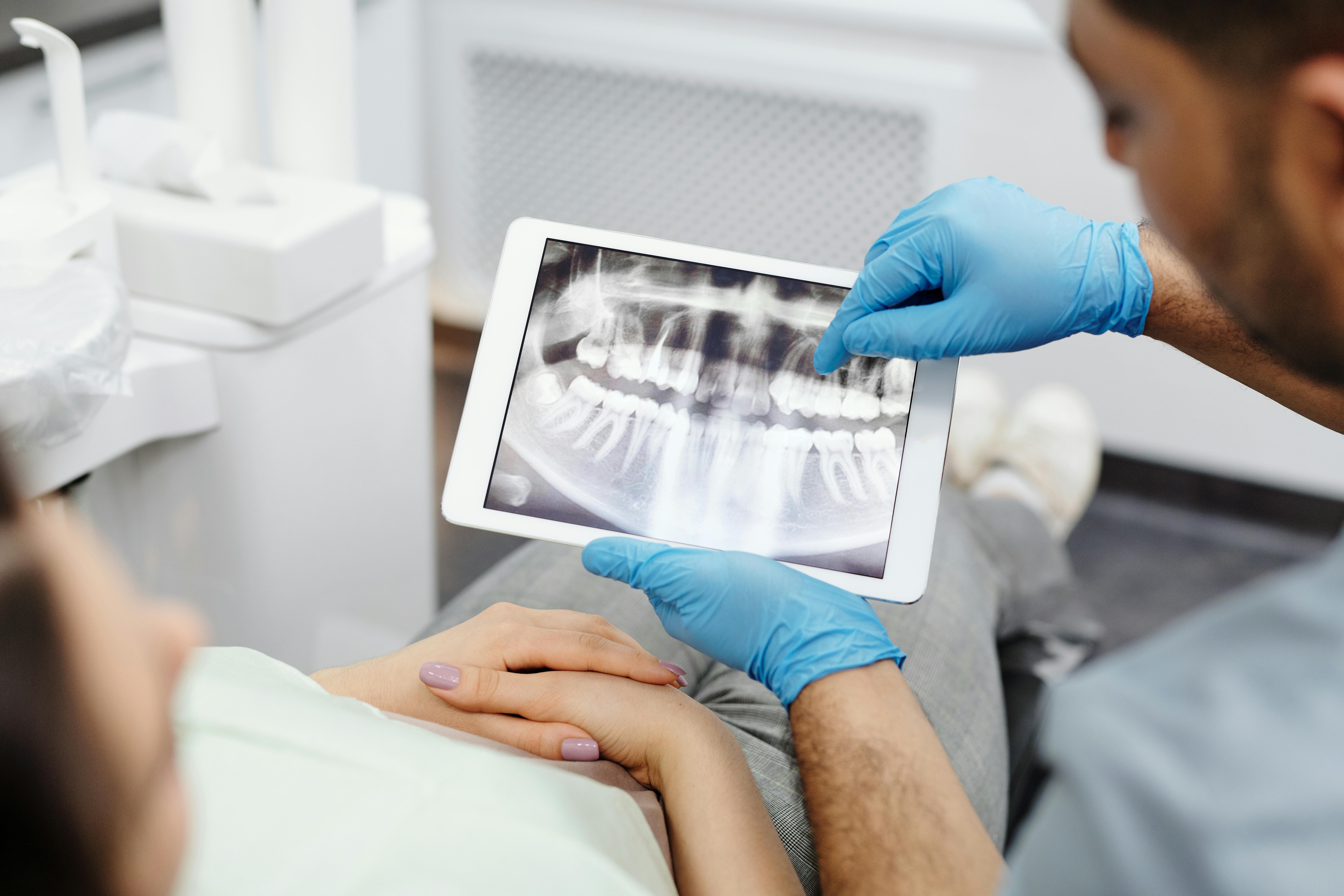
That evaluation usually includes an exam, X rays, and a discussion of symptoms. If you have been having temperature sensitivity, pain when biting, or intermittent throbbing, the dentist may perform a vitality test or a bite test to identify hidden fractures or pulp inflammation. Patients are sometimes surprised that the treatment recommendation changes after these findings. A tooth that looked like a simple crown case may need a root canal first. A tooth that seemed restorable may turn out to be split. That is not indecision. That is proper diagnosis.
In a city as large and varied as Los Angeles, patients often arrive after delaying care because of work schedules, commute stress, or previous dental anxiety. It is not unusual for a tooth that started as a minor crack to become a more involved restoration by the time someone books the appointment. That does not mean the case is hopeless, but it does affect the options.
What happens at the first crown appointment
Most traditional crown procedures begin with local anesthesia. Even if the tooth is not actively painful, reshaping it creates heat and vibration, and dentists want you comfortable and still. The numbing process is usually quick. For patients with dental anxiety, many offices also offer nitrous oxide or oral sedation, though that varies by practice and health history.
Once the tooth is numb, the dentist isolates the area and removes any decay, weak enamel, failing fillings, or fractured portions of the tooth. This step often reveals the true condition of the tooth. I have seen teeth that looked solid from the outside but had soft recurrent decay under a ten year old filling. I have also seen the opposite, where a tooth looked dramatic because a corner broke off, but the remaining structure was healthy and ideal for a conservative crown preparation.
The next step is preparing the tooth. That means the dentist carefully reshapes it so the final crown can fit over it with enough thickness for strength and a proper contour. How much tooth is removed depends on the type of crown material, the location of the tooth, and the bite. Porcelain and ceramic crowns generally need adequate room so they do not end up too thin and fragile. At the same time, a good dentist does not remove more tooth than necessary. There is a balance between durability and conservation.
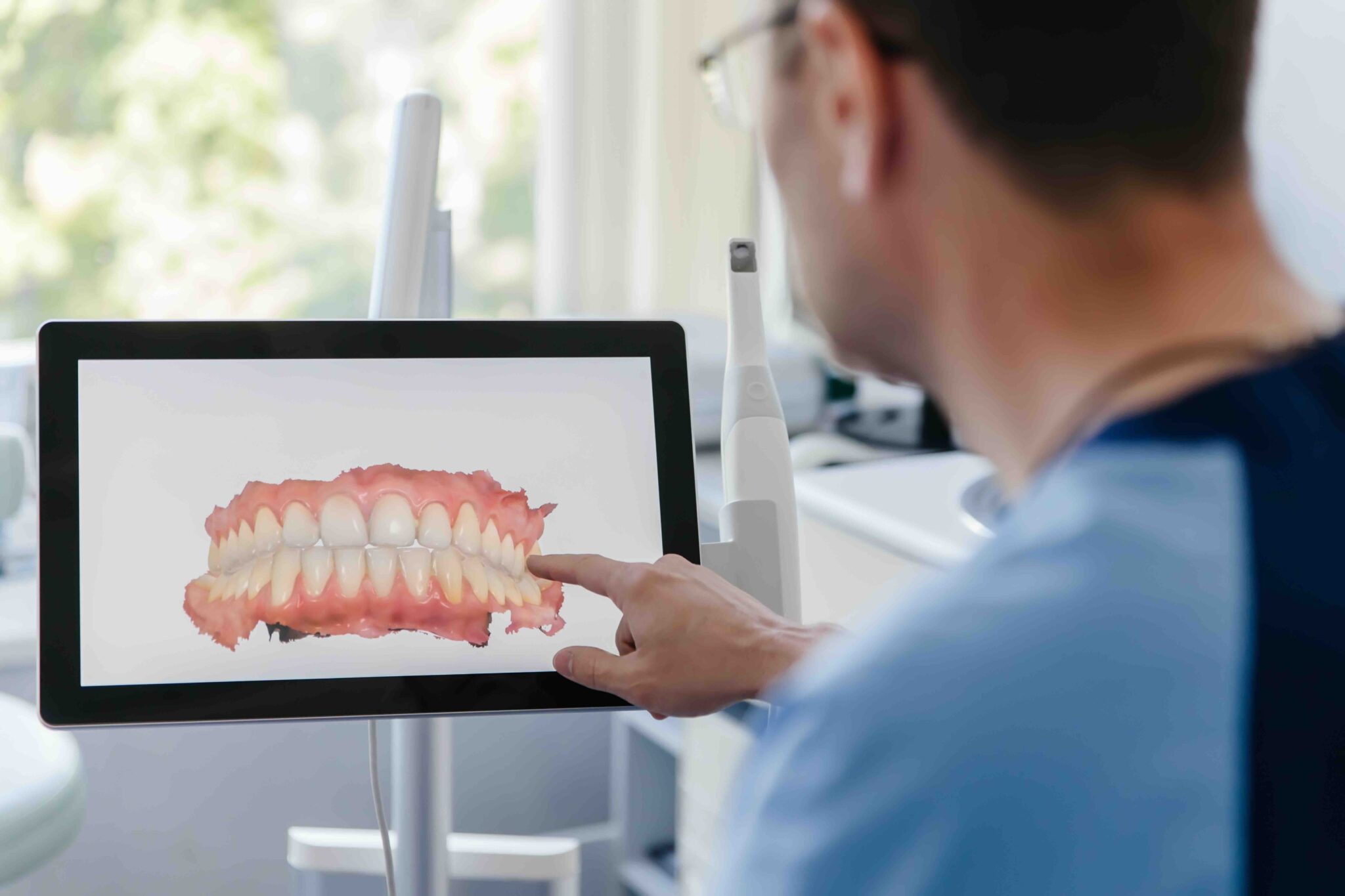
After the tooth is shaped, the dentist captures the form of the tooth and the surrounding bite. In many practices, this is done with a digital scanner rather than the old impression trays filled with putty. Digital scans are generally more comfortable and Dental Crowns Los Angeles CA often more precise, though conventional impressions are still used in some offices and can work very well when handled properly.
The dentist also records your bite and shade. Shade selection is especially important for visible teeth. A front crown is not just about basic whiteness. It involves translucency, surface texture, and how the crown blends under different lighting. Anyone who has seen a single front tooth crown that looks flat, opaque, or slightly gray understands how much artistry matters here.
If the office uses a same day system, the crown may be milled and delivered during the same visit. If the crown is fabricated by an outside lab, a temporary crown is usually placed before you leave.
The temporary crown stage is more important than patients realize
Temporary crowns are often treated like an afterthought, but they serve several jobs at once. They protect the prepared tooth, reduce sensitivity, maintain spacing so neighboring teeth do not drift, and let you function while the final crown is being made.
A temporary crown is not as strong or refined as the final restoration. It may feel slightly different against the tongue, and patients are usually advised to avoid very sticky foods on that side. Still, a well made temporary gives useful information. If your bite feels high on the temporary, the final crown will likely need close attention in that same area. If the gum looks irritated around the temporary, the contour may need adjustment. In that sense, the temporary is not just a placeholder. It is a test run.
One of the most common misunderstandings is the belief that a temporary crown can hold up indefinitely. Sometimes it lasts longer than expected, but it is not designed for months of hard chewing. If it comes off, call the office rather than waiting it out. The exposed prepared tooth can become sensitive, shift slightly, or collect plaque quickly, making final seating more difficult.
What the lab or in office system is doing while you wait
Behind the scenes, the crown is being designed to match your tooth preparation, your bite, and the surrounding anatomy. If a lab is involved, the technician uses the scan or impression to create a model and then fabricates the crown in ceramic, zirconia, porcelain fused to metal, gold alloy, or another material selected for the case.
Each material has trade offs. Full ceramic can look excellent in visible areas. Zirconia is known for strength and is popular for many posterior teeth. Gold remains one of the most forgiving and durable restorative materials in back teeth, though many patients prefer tooth colored options for aesthetic reasons. No single material is "best" for every tooth. The right choice depends on bite forces, cosmetic priorities, available clearance, habits like grinding, and the location of the tooth.
This is one reason the phrase Dental Crowns Los Angeles CA covers a wide range of experiences. Two patients may both receive crowns, but one is getting a high translucency ceramic front tooth crown with extensive shade matching, while another is getting a heavy duty zirconia molar crown designed to survive years of bruxism. The procedure framework is similar. The clinical judgment is not.
The second appointment, or the delivery phase
At the crown delivery visit, the temporary is removed and the underlying tooth is cleaned. The dentist then tries in the final crown and evaluates several things before it is permanently bonded or cemented.
Fit comes first. The crown has to seat completely onto the prepared tooth without rocking or binding. The contact with adjacent teeth matters too. If the contact is too loose, food may pack there constantly. If it is too tight, floss may shred or snap, and seating the crown fully can become difficult.
Next comes the margin, the seam where the crown meets the tooth. This area should be precise and well adapted. Margins that are open or overhanging are not minor cosmetic flaws. They can trap plaque, irritate the gums, and increase the risk of recurrent decay.
Then the dentist checks the bite. This step sounds simple but deserves respect. A crown that is even slightly high can make a tooth feel sore, trigger jaw tension, or create the sensation that "something is off" every time you chew. Patients often struggle to describe a bite problem, but they know it when they feel it. Careful articulation paper checks and real patient feedback Dental Crowns Los Angeles CA make a difference.
For front teeth, appearance is assessed before final cementation. This is the moment to speak up if the shape, shade, or length seems wrong. Once the crown is permanently bonded, changes become more complicated. Most dentists want that conversation before final placement, not after.
If everything checks out, the crown is cemented or bonded in place. The choice between cementation and bonding depends on the material and clinical situation. Excess cement is cleaned away, final bite adjustments are made, and the dentist usually has you bite and rinse several times to verify comfort.
Does it hurt?
This is usually the first question patients ask, and it deserves a direct answer. During the procedure, it should not hurt. You may feel pressure, vibration, water spray, or the sensation of movement, but sharp pain should be addressed immediately. Good communication matters here. Some patients need more local anesthetic than others, especially if the tooth is inflamed or if they metabolize anesthetic quickly.
Afterward, soreness is common but usually manageable. The gums around the tooth may feel tender for a day or two, especially if retraction was used during the impression or scan process. The tooth itself can feel sensitive to temperature for a short period, particularly after the preparation visit. Mild bite tenderness is not unusual as the ligament around the tooth settles.
Persistent pain is different. If you cannot chew on the crown after several days, if cold sensitivity lingers intensely, or if the tooth throbs on its own, the office should reevaluate it. Sometimes the bite needs a small adjustment. Sometimes the nerve inside the tooth was already more compromised than anyone realized and ends up needing root canal treatment after the crown. That is not common in every case, but it does happen.
Situations that can complicate a crown procedure
Not every crown goes smoothly from start to finish. Some teeth are heavily broken down and need a build up first, which is a foundation placed to replace missing tooth structure before the crown is made. If decay extends deep below the gumline, the tooth may need crown lengthening, a surgical procedure that exposes more tooth structure so the final crown has a proper margin.
Teeth with cracks present another challenge. A cracked tooth can behave unpredictably. Sometimes a crown stabilizes it beautifully and symptoms fade. Other times the crack has already irritated the pulp enough that root canal therapy becomes necessary before or after the crown. Dentists do their best to assess this risk, but cracks do not always announce their full extent on day one.
Patients who clench or grind can also shorten the lifespan of restorations. In those cases, the procedure may be paired with a recommendation for a night guard. That is not just an accessory. For the right patient, it protects both the crown and the surrounding teeth from tremendous nighttime forces.
Here are a few signs that a crown recommendation is often reasonable:
- A tooth has a very large filling with little natural tooth left around it.
- A tooth is fractured, worn down, or repeatedly breaking at the edges.
- A root canal treated back tooth needs reinforcement for chewing.
- Decay has undermined enough structure that a filling would not hold predictably.
- A tooth needs major shape or color correction that more conservative methods cannot provide.
Same day crowns versus traditional crowns
Patients often ask whether same day crowns are better. The honest answer is that they are better for some situations and merely convenient for others. Same day systems eliminate the temporary crown stage, reduce time off work, and can be a very good option for many single tooth restorations. For a busy Los Angeles patient trying to juggle traffic, meetings, and family obligations, finishing treatment in one visit can be a genuine advantage.
Traditional lab made crowns still have strengths. Complex cosmetic cases, difficult bites, unusual anatomy, or cases requiring layered esthetics may benefit from the handwork of a skilled dental lab technician. A highly visible front tooth, for example, sometimes deserves that extra layer of craftsmanship. The choice is less about trend and more about fit for the case.
Recovery during the first few days
Once the final crown is placed, most people return to normal function quickly, but it helps to know what is typical. Your bite should feel balanced, though it may feel unfamiliar at first simply because the restored contours are more ideal than the worn or broken tooth you got used to. That unfamiliarity should fade, usually within a few days.
Gum tenderness can persist briefly. Flossing around the new crown may feel strange on day one, especially if the contact is snug, but floss should still pass through with guidance from the dentist on technique. A properly fitted crown should not trap floss permanently or cause it to tear every time.
A handful of practical habits make the adjustment easier:
- Chew on the opposite side until numbness has fully worn off.
- Skip very sticky foods for a short period if you had a temporary crown placed.
- Brush and floss normally, but be gentle around tender gums the first day.
- Call the office if your bite feels high or chewing remains painful after several days.
- Wear a night guard if your dentist has recommended one for grinding.
How long a crown usually lasts
No dentist can guarantee an exact lifespan, and anyone who does is overpromising. Crowns can last well over a decade, but they can also fail much sooner if the tooth develops decay at the margin, if the cement seal breaks down, if the patient grinds heavily, or if the underlying tooth fractures.
What matters most is not just the crown material, but the entire environment around it. A beautifully made crown placed on a patient with dry mouth, heavy sugar exposure, and inconsistent hygiene faces a different future than that same crown in a low risk mouth. Saliva quality, gum health, bite forces, and home care all influence the result.
This is why follow up exams matter. Dentists are not just checking whether the crown is still attached. They are looking at the margin, the gum response, radiographic changes underneath, and wear patterns on the biting surface. Early detection of a problem can be the difference between a small repair and losing the tooth.
Questions worth asking before you start
Patients sometimes think they are being difficult if they ask detailed questions. They are not. A crown is a permanent restorative treatment, and you should understand the plan.
Ask what material is being used and why. Ask whether the tooth might need a build up or root canal. Ask whether the office expects one visit or two. Ask what happens if the temporary comes off. Ask how the crown will be checked for bite and fit. If the tooth is in the smile zone, ask how shade matching is handled and whether you can preview the crown before final cementation.
Those questions often reveal how carefully the case is being planned. They also help you set expectations. A patient who knows that mild tenderness is normal but lingering bite pain is not will navigate the recovery period with far less anxiety.
Why provider judgment matters as much as the crown itself
When patients search for Dental Crowns Los Angeles CA, they often compare materials, prices, and reviews. Those factors matter, but they do not tell the full story. The long term success of a crown depends heavily on diagnosis, preparation design, margin placement, impression accuracy, bite adjustment, and follow through. In plain terms, the crown is not just an object. It is the result of a sequence of decisions.
A well trained dentist knows when a crown is appropriate and when another option may be better. Sometimes a conservative onlay preserves more healthy structure. Sometimes a tooth is too compromised and should not be crowned at all. Sometimes a patient wants cosmetic improvement on several front teeth, and the best answer involves coordinating shape, gum levels, and shade across the whole smile rather than placing a single isolated restoration.
That kind of judgment rarely shows up in a marketing slogan, but it is what patients end up feeling months later when they chew comfortably and stop thinking about the tooth altogether. That is usually the mark of good crown work. It disappears into normal life. The tooth feels stable, the bite feels right, the gums stay calm, and the restoration does its job quietly every day.
Simple Dental Vermont
Address: 8914 S Vermont Ave, Los Angeles, CA 90044
Phone number: +13239493000
FAQ About Dental Crowns Los Angeles CA
How much do crowns cost per tooth?
In the United States, a single dental crown typically costs between $800 and $2,500 per tooth without insurance. The ultimate out-of-pocket price depends heavily on the crown material, the location of the tooth, and whether you have dental insurance coverage.
What is the downside of crowns on teeth?
The primary downside of a dental crown is that the procedure permanently removes natural tooth enamel to shape the tooth for the cap.
Why do dentists push for crowns?
Dentists recommend crowns because a large filling cannot provide enough strength when a tooth loses a major portion of its structure or faces heavy chewing pressure.