How to Find Quality Dental Crowns in Los Angeles CA

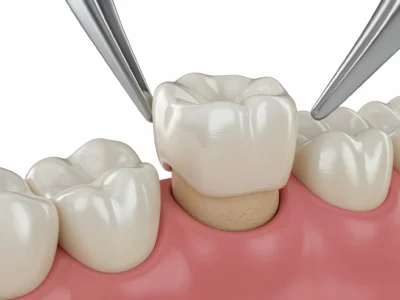
Finding the right dentist for a crown in Los Angeles can feel harder than it should. There are hundreds of practices, every website looks polished, and nearly all of them promise excellent care, advanced technology, and beautiful results. Yet crowns are not all the same, and neither is the way they are planned, made, or placed. A crown that looks fine in a social media photo can still fit poorly, irritate the gumline, throw off your bite, or fail years sooner than it should.
That matters because a dental crown is not a Dental Crowns Los Angeles CA casual purchase. It is a restoration that protects a weakened tooth, restores chewing function, and affects how comfortable your bite feels every day. If the tooth is visible when you smile, the crown also becomes part of your appearance. In a city as large and fast-moving as Los Angeles, where options range from boutique cosmetic offices in Beverly Hills to neighborhood family practices in the Valley and long-established clinics on the Westside, patients need a clear way to judge quality beyond marketing.
The phrase Dental Crowns Los Angeles CA gets searched often for a reason. People are trying to solve a real problem, usually with some urgency. Maybe an old filling cracked. Maybe a root canal left a back tooth brittle. Maybe a front tooth broke and now every mirror feels personal. The challenge is separating true clinical quality from sales language.
What makes a dental crown “quality”
A quality crown starts long before the lab fabricates it. The best results come from accurate diagnosis, conservative tooth preparation, thoughtful material selection, and careful bite design. The crown itself is only one part of the process.
Fit is the first standard that experienced dentists care about. A crown should seat precisely on the tooth without open margins. If the edge of the crown does not adapt well to the tooth, bacteria can creep in, decay can form underneath, and the restoration can fail quietly before you notice pain. Patients usually cannot evaluate margins by sight, which is why the dentist’s technique and the quality of the lab work matter so much.
Bite is the second standard. Crowns that are just slightly too high can create jaw soreness, headaches, or tenderness when chewing. Crowns that are too flat or poorly contoured can trap food and make chewing feel off. A strong crown still fails the quality test if it never feels natural.
Appearance comes next, especially for teeth that show. Shade matching is not just about choosing “white.” Good esthetic work considers translucency, surface texture, neighboring tooth color, age-related wear, and how the crown looks in different lighting. A front crown can be technically sound and still disappoint if it looks opaque or too perfect compared with the natural teeth around it.
Then there is material choice. Porcelain, zirconia, porcelain-fused-to-metal, and gold all have valid uses. The right choice depends on where the tooth sits, how hard you bite, whether you grind, how much natural tooth remains, and how important cosmetics are in that location. A dentist who recommends the same material for everyone is usually simplifying a decision that deserves more nuance.
Why Los Angeles patients need to be selective
Los Angeles presents a unique mix of opportunity and noise. You can find highly trained restorative dentists here, some with excellent continuing education, strong laboratory relationships, and years of experience with complex cases. You can also find aggressive marketing, discount offers that leave out important details, and cosmetic promises that sound better than the treatment planning behind them.
Price variation is wide. One office may quote a crown that seems surprisingly cheap, while another may come in much higher. Sometimes the difference reflects overhead and neighborhood. Sometimes it reflects materials, the amount of diagnostic work included, whether a custom lab is used, and how much time the dentist spends refining the fit and bite. Patients often assume a higher fee guarantees better work, but that is not always true. The skill of the clinician, the quality of communication, and the office’s standards matter more than the interior design of the waiting room.
Los Angeles also has a large population of patients interested in appearance-driven dentistry. That can be a real advantage if you need a front crown and want excellent esthetics. But cosmetics should not crowd out function. The best crown work blends both. If an office talks only about “smile transformation” and says little about occlusion, gum health, tooth structure, or long-term maintenance, that is worth noticing.
Start with the dentist, not the crown brand
Patients often ask whether a certain material or in-office milling machine guarantees a better outcome. It does not. A crown is only as good as the plan, preparation, impression or scan, lab communication, and final placement.
A well-trained dentist will examine the tooth carefully and ask practical questions. Is there enough healthy tooth left to support a crown? Is a build-up needed first? Has the tooth had a root canal? Is there a crack that runs too deep to save it predictably? Are the gums inflamed, making the scan or impression less reliable? Does your bite show signs of grinding that could fracture ceramic?
Those questions do not make the appointment feel glamorous, but they usually separate careful clinicians from rushed ones. In real practice, many crown failures begin with something basic that was not addressed at the beginning.
A patient once described a failed crown case in a way that sticks with me: “It looked amazing for six months, and then it became a problem I couldn’t stop noticing.” The issue was not shade or shape. It was a bite discrepancy and food trapping between teeth. The crown had been sold as cosmetic work, but the daily function had never been right. That is a common pattern when esthetics outruns restorative fundamentals.
Signs you are in a high-quality crown consultation
The first consultation often tells you more than the website. Look for a dentist who explains the condition of the tooth in plain English and uses images to show what they see. Intraoral photos, radiographs, and digital scans can all help, but the real value is in the interpretation.
A strong consultation usually includes a conversation about alternatives. Not every damaged tooth needs a full crown. Sometimes an onlay, a large filling, or monitoring is more appropriate. On the other hand, some teeth are too compromised for a filling to last. If the recommendation feels automatic rather than reasoned, ask more questions.
Pay attention to whether the dentist discusses risk. Good clinicians are comfortable saying things like, “This tooth is restorable, but it has a guarded long-term outlook because of the crack pattern,” or “A crown is the best option, but if symptoms continue, root canal treatment may still become necessary.” That kind of candor builds trust. Dentistry is not improved by pretending every case is simple.
Here are five questions worth asking at that visit:
- What material do you recommend for this specific tooth, and why?
- Will the crown be made by an outside lab or milled in-office?
- How do you check the bite and contact between teeth before final cementation?
- If this tooth has a crack or deep decay, what could change the treatment plan?
- What kind of warranty or follow-up do you provide if the crown feels off or fails early?
These questions are not confrontational. They simply reveal how the office thinks. Detailed answers usually indicate a more thoughtful process.
Materials matter, but context matters more
Patients often hear broad claims such as “zirconia is strongest” or “porcelain looks most natural.” Both statements can be true in narrow contexts and misleading in others.
Zirconia has become popular because it is durable and useful in many posterior cases, especially for patients who clench. But not all zirconia is identical, and strength alone does not solve every problem. In some front-tooth situations, layered ceramics may offer superior esthetics. Porcelain-fused-to-metal still has a role in certain cases, though it can show a dark line at the margin over time if gums recede. Gold crowns, while less common for obvious cosmetic reasons, remain one of the most reliable options for some back molars because they are kind to opposing teeth and very durable.
What matters is whether the dentist matches the material to the tooth and to your habits. A hard grinder who wants a crown on a second molar may need a different recommendation than someone replacing a crown on an upper lateral incisor. Quality is not choosing the fanciest material. Quality is choosing the most appropriate one.
The lab relationship is one of the hidden variables
Patients rarely ask which dental lab a practice uses, but they should. Excellent crown work often depends on excellent technicians. A skilled lab technician can refine anatomy, contour, contacts, and shade characterization at a level that directly affects the final result.
This is especially important for front teeth. A single central incisor crown can be one of the hardest restorations in dentistry to make look invisible. The right shape, internal color variation, edge translucency, and surface texture can make the difference between “that looks like a crown” and “that looks like your tooth.”
For back teeth, lab quality still matters, even if esthetics matter less. Proper contacts reduce food packing. Accurate anatomy helps chewing. Strong communication between dentist and lab improves both.
If the office offers same-day crowns, that can be convenient and sometimes excellent. The key question is whether the case suits same-day fabrication. Simple posterior crowns can work very well this way in experienced hands. More demanding esthetic cases may benefit from a high-end lab and an extra step or two.
Technology is useful, but it is not a substitute for judgment
Digital scanners have improved patient comfort and can produce highly accurate records. Bite analysis tools, high-resolution imaging, and in-office milling systems also have real benefits. They can make treatment more efficient and more precise.
Still, technology should support clinical skill, not replace it. A digital scan taken on irritated gums or a poorly prepared tooth does not become accurate simply because it is digital. A milling machine can produce a crown quickly, but speed does not automatically mean excellence. If a practice advertises technology heavily, ask how that technology improves fit, longevity, or comfort in your particular case.
In the best offices, technology feels almost quiet. It is there, it helps, and the dentist can explain exactly why they use it. In weaker offices, the equipment becomes the sales pitch.
How to judge reviews without being misled
Online reviews can help, but they need careful reading. Star ratings alone are blunt instruments. Look for comments that mention specific experiences: bite adjustment handled promptly, crown fit felt natural right away, front tooth shade matching looked seamless, dentist explained options honestly, office followed up after cementation. Those details are more valuable than generic praise.
Be cautious with reviews that focus only on the spa-like atmosphere or friendliness, though those qualities are certainly pleasant. A warm office can still deliver average dentistry. Also be cautious with a flood of nearly identical reviews that sound polished but vague.
One useful pattern is to search for how the office handles problems. No dentist avoids every post-treatment adjustment. Even excellent crowns occasionally need a bite tweak after the numbness wears off and the patient starts chewing normally. Practices that respond promptly and professionally to those issues often have better long-term standards.
Price, insurance, and the hidden cost of cheap work
The cost of a crown in Los Angeles can vary substantially. Neighborhood, dentist experience, material, lab fees, and whether the office is in-network with your insurance all influence the number. It is reasonable to compare fees. It is also important to compare what is actually included.
A lower quote may not include build-up, core foundation, replacement of an old post, or certain imaging. Some practices quote the crown alone, then add necessary components later. Others present a more complete number upfront. Neither approach is automatically wrong, but patients should understand the full picture before deciding.
The hidden cost of cheap crown work usually appears later. If the margin leaks, the bite never feels right, the crown traps food, or the esthetics are poor enough to redo, the original savings disappear quickly. Redo dentistry is often more expensive and more invasive because each replacement can remove additional tooth structure.
That does not mean the most expensive office is the safest bet. It means the best value often sits where transparency, skill, and follow-through meet a fair fee.
Practical ways to compare offices in Los Angeles
If you are trying to narrow down options for Dental Crowns Los Angeles CA, a little structure helps. Instead of judging by photos alone, compare practices on process.
Look at how thoroughly the office describes diagnosis and planning. See whether they mention different crown materials and when they use them. Notice if the dentist has experience in restorative or cosmetic cases that resemble yours. If the problem involves a front tooth, ask to see examples of single-tooth crown work rather than full smile makeovers, which are much easier to market and do not tell the same story.
A short consultation at two or three offices can be worth the time. You are not only comparing recommendations. You are comparing how each dentist thinks. One may recommend a crown immediately. Another may explain that the tooth could be treated more conservatively. A third may identify a crack that changes everything. The variation itself tells you why second opinions can be valuable.
Here are a few signs that usually point in the right direction:
- The dentist explains why a crown is needed, not just that it is needed.
- The office discusses material choice based on the tooth’s position and your bite.
- Photos, scans, or X-rays are used to educate you, not just to impress you.
- The team has a clear plan for temporary crowns, final adjustments, and follow-up.
- Questions are welcomed, and the answers are specific rather than rehearsed.
A quality practice rarely tries to rush a patient past these basics.
Temporary crowns tell you more than people realize
Many patients treat the temporary crown as a throwaway stage, but it can reveal a lot about the final result. A well-made temporary should protect the tooth, stay in place, and give a reasonable preview of contour and bite. It may not look perfect, and that is normal, but it should function decently.
If the temporary crown feels dramatically wrong and the office seems uninterested in adjusting it, that is not a great sign. The same attention to contour, contacts, and bite that matters in the final crown should show up, at least in part, in the temporary phase. Offices that are careful here are often careful everywhere else.
For front teeth, the temporary is also your chance to discuss shape, length, and general appearance before the final crown is made. Patients sometimes assume the final restoration is fixed destiny. It is better to speak early if something looks too square, too short, or too bright relative to neighboring teeth.
Gum health can make or break the final result
One of the most overlooked factors in crown quality is the condition of the gums. Inflamed or bleeding tissue can interfere with accurate scans or impressions, and unhealthy gums around a new crown can lead to chronic irritation afterward. If your dentist recommends improving oral hygiene or doing a cleaning before starting the crown, that is often a sign of good standards, not delay for delay’s sake.
Margin placement also matters. A crown that sits too deep under the gums can be hard to keep clean and may contribute to inflammation. A crown with overcontoured edges can have the same effect. Good crown work should make hygiene possible, not harder.
Patients who already have gum recession or a history of periodontal issues should bring that up early. It may influence material selection, esthetic expectations, and long-term maintenance.
Special situations that deserve extra caution
Not every crown case is routine. Some situations call for more planning and a dentist with specific restorative experience.
Teeth that have had root canal treatment often need crowns because they are more brittle. But the remaining tooth structure matters. If very little is left above the gumline, retention becomes more challenging and a post or additional build-up may be considered. That is not something to improvise casually.
Patients who grind or clench at night need an honest bite assessment. A crown placed into an unstable bite may chip or loosen. In many cases, a night guard becomes part of protecting the investment. It is less glamorous than the crown itself, but often just as important.
Replacing an old crown can also be trickier than getting a first crown. Once the old crown is removed, the dentist may discover recurrent decay, a fractured core, or less tooth structure than expected. Good clinicians prepare patients for that possibility before the appointment, not after they are already in the chair.
When to keep looking
Sometimes the clearest answer is that you should not commit yet. If an office cannot explain why one material is being chosen over another, if the treatment plan feels sales-driven, or if your questions are brushed aside, there is no prize for moving faster.
The same applies when the recommendation seems disconnected from your symptoms. A careful dentist should be able to connect the clinical findings with what you are experiencing, whether that is pain when biting, a broken cusp, chronic sensitivity, or simple replacement of a failing old crown.
Trust is not built by perfection. It is built by specificity, transparency, and calm confidence. In a market as crowded as Los Angeles, those traits are often a better guide than branding.
Choosing the right fit for your case
The best dentist for one crown case may not be the best dentist for another. A straightforward molar crown for a patient with solid oral health can often be handled well by a skilled general dentist with good restorative habits. A highly visible front tooth, a difficult shade match, a history of failed crowns, or a heavily worn bite may justify seeking someone with advanced cosmetic or restorative focus.
That distinction matters because “quality” is not one-size-fits-all. It depends on the complexity of the tooth, the demands of the bite, and your priorities. Some patients care most about longevity and function. Others need the crown to disappear visually in close conversation. The right provider should be able to hear those priorities and incorporate them into the plan.
If you approach the search with that mindset, finding excellent Dental Crowns Los Angeles CA becomes much more manageable. You are no longer shopping for a commodity. You are evaluating diagnosis, craftsmanship, communication, and long-term judgment. When those pieces come together, a crown stops feeling like a stressful dental purchase and starts feeling like what it should be, a well-executed restoration you barely think about once it is done.
Simple Dental Vermont
Address: 8914 S Vermont Ave, Los Angeles, CA 90044
Phone number: +13239493000
FAQ About Dental Crowns Los Angeles CA
How much do crowns cost per tooth?
In the United States, a single dental crown typically costs between $800 and $2,500 per tooth without insurance. The ultimate out-of-pocket price depends heavily on the crown material, the location of the tooth, and whether you have dental insurance coverage.
What is the downside of crowns on teeth?
The primary downside of a dental crown is that the procedure permanently removes natural tooth enamel to shape the tooth for the cap.
Why do dentists push for crowns?
Dentists recommend crowns because a large filling cannot provide enough strength when a tooth loses a major portion of its structure or faces heavy chewing pressure.