How to Choose the Right Type of Dental Crown
A dental crown sounds simple on paper. It is often described as a cap that covers a damaged tooth. In practice, choosing one is rarely that simple. The best crown for a back molar that takes years of grinding force may not be the best crown for a front tooth that shows every time you smile. A crown that looks beautiful on day one may not be the smartest choice if the tooth underneath has very little structure left, or if cost is the deciding factor.
Dentists talk about crowns every day, but many patients hear the recommendation only once or twice in their lives. That gap matters. People often arrive with understandable questions: Why this material instead of another one? Why is one price higher? Will it look natural? How long will it last? If you have ever felt that the answer was a little too quick for a decision that affects your bite, appearance, and budget, you are not alone.
The good news is that most crown decisions become clearer once you understand what the tooth actually needs. The right choice usually comes down to a small set of practical realities: where the tooth sits, how much force it takes, how much natural tooth remains, whether appearance matters most, and how much flexibility you have on cost.
What a crown is really trying to do
A crown does more than cover a tooth. It restores shape, protects weakened structure, helps you chew properly, and can improve appearance. In many cases, it also seals and protects a tooth after a large filling or root canal treatment, when the remaining tooth is more likely to crack.
That protective role is important. A tooth with a small chip is one thing. A tooth that has lost half its structure to decay, a fracture, or repeated fillings is another. At that point, the crown is not cosmetic decoration. It is part of the engineering that keeps the tooth usable.
The mistake many people make is thinking only about the visible result. Appearance matters, especially for front teeth, but long term success often depends more on function. A crown that blends beautifully but fractures under pressure is not a good crown for that situation. By the same token, a crown that is nearly indestructible but looks too opaque or metallic may not be acceptable in a highly visible area.
The main types of dental crowns
Most modern dental crowns fall into a few broad categories. The names can vary a little by practice or lab, but the materials are familiar.
All ceramic or all porcelain crowns
These crowns are made entirely from tooth colored ceramic materials. They are often chosen for front teeth because they can mimic natural enamel very well. Good ceramic work can reflect light in a way that looks more lifelike than metal based restorations.
They are also a common choice for people who want no metal in the mouth, or who have sensitivities to certain metals. That said, not all ceramics are identical. Some are stronger than others, and some are more translucent than others. A dentist may recommend one ceramic for a front tooth and a different ceramic for a molar, even though both are technically all ceramic crowns.
Zirconia crowns
Zirconia has become extremely common, especially for back teeth. It is a ceramic, but it behaves differently from older porcelain materials. It is known for strength and is often used where chewing forces are high. Some versions are more opaque, while newer formulations can look more natural than earlier ones.
Zirconia is a frequent recommendation for patients who clench or grind, though that does not make it invincible. A powerful night grinder can damage natural teeth, fillings, and crowns alike. Material helps, but bite habits still matter.
Porcelain fused to metal crowns
These crowns have a metal substructure covered by tooth colored porcelain. For many years, they were the standard recommendation in a wide range of cases. They can be durable and can look quite good, though they usually do not match the depth and translucency of the best all ceramic options.
One common drawback is the possibility of a dark line near the gum over time, especially if the gum recedes. On a front tooth, that can be frustrating. On a back tooth, it may be far less important.
Full metal crowns
Gold alloys and other dental metals are still used, even if less often than in the past. For certain back teeth, particularly molars that are hard to see, full metal remains one of the most practical materials in dentistry. It wears well, tends to be kind to opposing teeth when properly polished, and often requires less removal of healthy tooth structure than some other crown types.
Patients sometimes resist the idea because they do not want a metallic appearance. That is completely reasonable. Still, from a purely functional standpoint, a well made metal crown on a far back molar can be an excellent restoration.
Resin based or temporary crowns
These are usually not long term solutions. They are most often used as temporary crowns while the final restoration is being made, although resin can be used in some limited long term situations. Temporary crowns protect the tooth and hold space, but they are not designed to be your forever crown.
The tooth’s location changes the whole decision
Location is one of the strongest guides in crown selection.
A front tooth lives under different rules than a molar. Front teeth are on display, catch the light, and are judged against neighboring teeth that may have subtle variations in color, translucency, and shape. A crown in that area has to do more than survive. It has to disappear visually. That is why all ceramic options are so often favored for front teeth.
Back teeth are another story. Molars absorb heavy force every day, especially in people who chew hard foods, clench during stress, or grind at night. Strength becomes a bigger priority there. A slightly less translucent material may be a smart trade if it lowers the risk of chipping or fracture.
Premolars sit in the awkward middle. They show when many people smile, but they also take significant chewing force. This is where the decision becomes more individual. A patient with a broad smile line may prioritize appearance. Another patient may care most about durability and cost. Both can be reasonable choices.
How much tooth structure is left matters more than many people realize
Dentists are not choosing crowns in isolation. They are choosing them for a specific tooth, with a specific amount of remaining structure.
A tooth with thick healthy walls after decay removal is very different from a root canal treated tooth with thin, brittle remaining enamel and dentin. The less tooth that remains, the more demanding the case becomes. Strength of the crown matters, but so does the way the crown fits, how it grips the tooth, and whether a build up or post is needed underneath.
Patients sometimes ask for the same material a friend received, assuming the cases are comparable. They often are not. One person may have needed a crown mainly for a cracked cusp. Another may have had a tooth that was close to splitting. The crown type that works well in one situation may not be ideal in the other.
Appearance is not just about color
When patients say they want a crown that looks natural, they are usually thinking of shade. Shade matters, but it is only part of the picture.
Natural teeth are not flat blocks of white. They have texture, translucency, brightness, and subtle variation. A crown on a front tooth that is the correct shade but too opaque can look artificial. A crown with perfect color but the wrong shape can also draw attention. Even the edge near the gum matters. If it looks bulky or catches light differently than the neighboring teeth, people notice it even if they cannot explain why.
This is where the skill of the dentist and the dental lab becomes just as important as the material. A beautiful result often comes from details that patients never see directly, such as stump shade, reduction design, tissue management, and communication with the lab. The best material cannot rescue a poor impression or a rushed shade match.
I have seen patients thrilled with a slightly imperfect color match because the shape and surface character looked natural in the face. I have also seen patients unhappy with technically strong crowns because the tooth looked too uniform and bright compared with everything around it. Real aesthetics are contextual.
Strength is important, but so is how a crown fails
People naturally ask which crown is strongest. The question makes sense, but it can oversimplify the choice.
Different materials fail in different ways. Some chip. Some crack. Some wear opposing teeth more if they are not properly polished or glazed. Some may hide stress until a larger fracture appears. In clinical decisions, it is not enough to know that a material is strong in a lab test. You also want to know how it behaves over years of chewing, temperature changes, bite pressure, and real world habits.
A good dentist usually thinks in terms of risk management. If you clench heavily, have a history of breaking fillings, or already show wear facets on your teeth, your crown choice may lean toward a tougher material. If your main concern is the appearance of a front tooth next to natural incisors, a more aesthetic ceramic may be worth the trade.
Your bite and habits can override textbook recommendations
Textbook answers are useful, but real mouths are messy. Bite habits can change the recommendation quickly.
If you grind your teeth at night, your crowns live a harder life. If you chew ice, crack seeds, or open packaging with your teeth, they live a harder life. If your bite is uneven, a crown may take force in a way the material was never meant to handle.
Here are the situations that most often push dentists toward a more conservative, durability focused recommendation:
- Night grinding or daytime clenching
- A history of broken fillings, cracked teeth, or chipped restorations
- Deep bite or heavy contact on the tooth being crowned
- Limited space between the upper and lower teeth
- A back tooth that handles most of your chewing force
That does not mean appearance stops mattering. It means the balance shifts. In some cases, the smartest plan is not just choosing a stronger crown material, but also wearing a night guard afterward. Patients sometimes assume the crown alone solves the problem. It does not. If the bite habit remains, the new crown becomes the next thing under strain.
Cost is part of the decision, and it should be discussed plainly
Crown fees vary widely by region, practice, lab quality, insurance coverage, and whether extra work is needed before the crown is placed. There is no universal price that means much without context.
Still, cost should not be treated as an awkward side note. It is part of the treatment decision. A crown that is ideal on paper but unrealistic for the patient’s budget may not be the right plan at that moment. Sometimes there are acceptable alternatives. Sometimes it makes sense to phase care. Sometimes the best use of limited funds is to protect the tooth most at risk and monitor others.
Cheaper is not always poor quality, and expensive is not always better. What you want to understand is what you are paying for. Is the material different? Is the lab work more customized? Is the case more complex because the tooth needs a core build up or root canal treatment first? Is this a same day milled crown, or one that is being layered and characterized by a ceramic lab technician?
These are fair questions. You are not being difficult by asking them.
Same day crowns versus lab made crowns
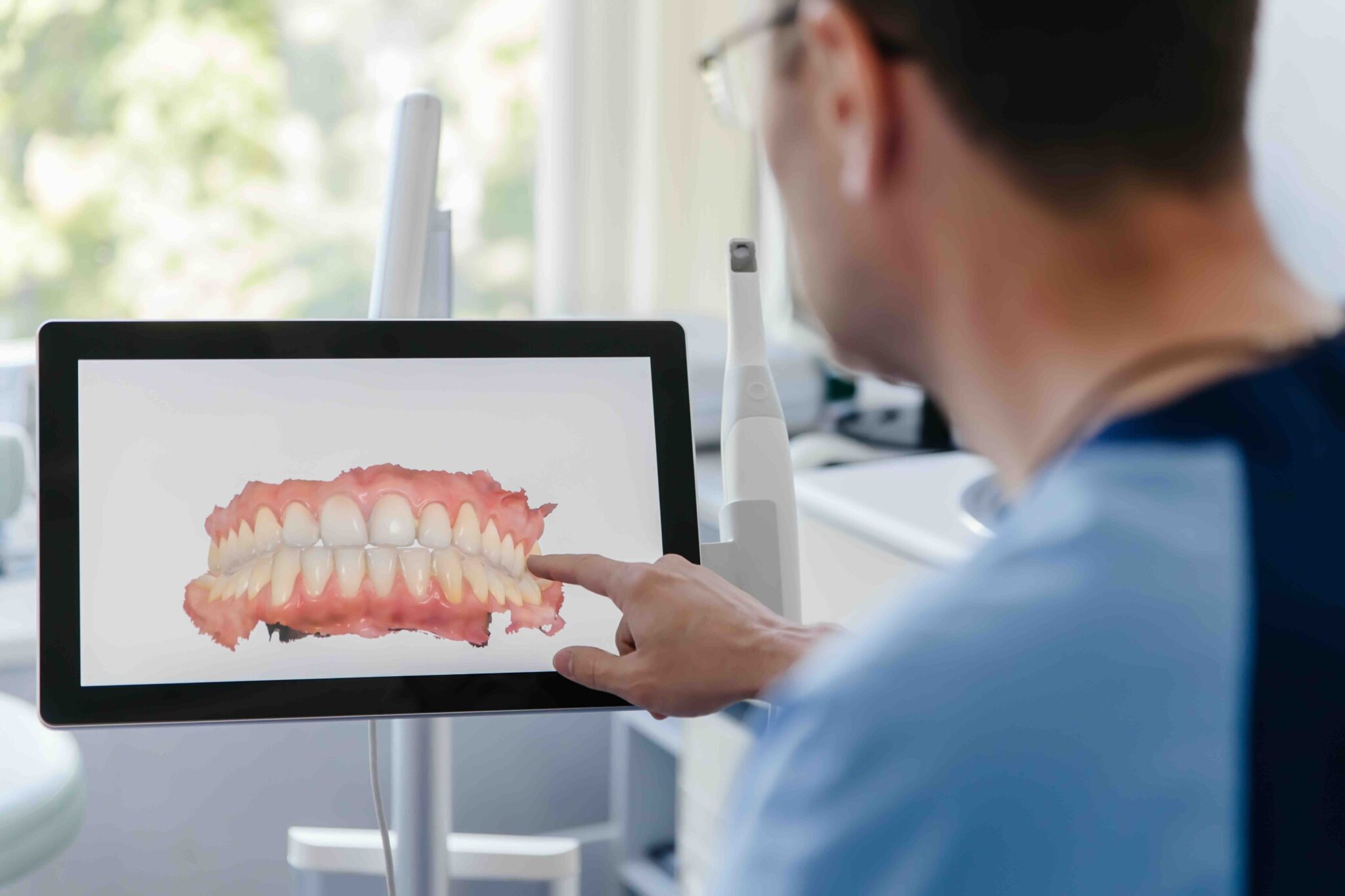
Many practices now offer same day crowns using digital scanning and in office milling. For the right case, they can be excellent. Patients like avoiding a temporary crown and a second appointment. Digital workflows can also be very precise.
But same day does not automatically mean best for every tooth. A simple posterior crown with ample space and straightforward color demands may be ideal for same day treatment. A front tooth where shape, texture, and nuanced color matching matter deeply may still benefit from a highly skilled lab technician. This is not a hard rule, but it is a useful distinction.
The key question is not whether the crown is made in one day or two visits. The key question is whether the method matches the demands of the case.
When a front tooth is involved, details matter more than people expect
Front teeth deserve their own caution. They are where even small errors become obvious.
If you need a crown on a front tooth, ask how the shade will be matched. Ask whether the dentist uses photographs, custom staining, or communicates special features to the lab. Ask whether the neighboring tooth has translucency, white spots, edge wear, or other character that needs to be copied. If the tooth is very visible, these details are not vanity. They are the difference between a restoration that blends in and one that always catches your eye in the mirror.
There is also the issue of gum tissue. Crowns do not exist in isolation from the gums. If a crown margin is poorly placed, or if the shape overcontours the tooth, the gum may look puffy or uneven. Patients often think of this as a gum problem when it is partly a crown contour problem. A natural looking result depends on both hard tissue and soft tissue harmony.
Questions worth asking before you agree to a crown type
Most people do not need to become material experts. They do need enough clarity to make an informed decision.
A useful consultation often covers these points:
- Why this material for this specific tooth
- Whether appearance or durability is the main priority in your case
- How long the crown is expected to last under your bite conditions
- Whether you need a night guard to protect the result
- What alternatives exist if budget changes the plan
Good dental conversations are usually specific, not generic. “This is stronger” is incomplete. “This molar has limited space, you clench, and the tooth has already lost a lot of structure, so I want a material that tolerates force well” is a meaningful explanation.
The role of the underlying tooth and root canal treatment
A crown recommendation often follows root canal treatment, but not always. The reason is not that root canals automatically require crowns in every case. The reason is that many root canal treated teeth have already lost substantial structure to decay, fracture, or access preparation. They become more vulnerable, especially back teeth.
A front tooth that had a small trauma related root canal but still has plenty of tooth structure may be treated differently from a molar with a large old filling and cracked cusps. This is one of the places where online generalizations cause confusion. Patients read that “root canal teeth need crowns,” then hear exceptions. The truth is more nuanced. The more load a tooth carries and the less structure it has left, the stronger the case for a crown.
Crowns are not forever, but they can last a long time
Patients often ask how long crowns last, hoping for a fixed number. Dentistry rarely works that way. Some crowns fail early because of decay at the margin, cement washout, bite overload, or poor oral hygiene. Others last well over a decade, sometimes much longer.
Longevity depends on factors that have little to do with marketing claims. Fit matters. Bite adjustment matters. Daily cleaning matters. So does the condition of the tooth underneath. A beautifully made crown on a tooth with ongoing decay risk is still a vulnerable restoration.
What usually shortens crown life is not the crown material alone, but the environment around it. Dry mouth, high sugar exposure, grinding, inconsistent recall visits, and neglected gum disease all raise the odds of trouble.
The best crown is the one that fits the whole case
This is where patients often find relief. There is rarely one universally superior type of crown. There is a best fit for a particular tooth in a particular mouth at a particular moment.
If you want a short simpledentalca.com Dental Crowns practical way to think about it, all ceramic crowns often shine where appearance matters most. Zirconia often earns its place where strength is the main concern. Porcelain fused to metal still has uses, especially when function matters more than perfect translucency. Full metal remains one of the most durable choices for hidden back teeth, even if it is less popular cosmetically.
That does not mean the decision should be reduced to a chart. It should be guided by what your dentist sees clinically, what the x rays show, how your bite behaves, what matters to you aesthetically, and what is realistic financially.
A thoughtful crown decision should feel tailored, not scripted. If the explanation you receive sounds like the same answer every patient gets, ask more questions. A good recommendation usually has a clear reason behind it, tied directly to your tooth, your habits, and your priorities.
Dental Crowns are at their best when they restore not just the tooth, but confidence in eating, speaking, and smiling without second guessing every bite. The right choice is rarely the fanciest material or the newest label. It is the one that respects biology, function, appearance, and the life that tooth has to live every day.
Simple Dental Vermont
Address: 8914 S Vermont Ave, Los Angeles, CA 90044
Phone number: +13239493000
FAQ About Dental Crowns
How much do crowns cost per tooth?
In the United States, a single dental crown typically costs between $800 and $2,500 per tooth without insurance. The ultimate out-of-pocket price depends heavily on the crown material, the location of the tooth, and whether you have dental insurance coverage.
What is the downside of crowns on teeth?
The primary downside of a dental crown is that the procedure permanently removes natural tooth enamel to shape the tooth for the cap.
Why do dentists push for crowns?
Dentists recommend crowns because a large filling cannot provide enough strength when a tooth loses a major portion of its structure or faces heavy chewing pressure.